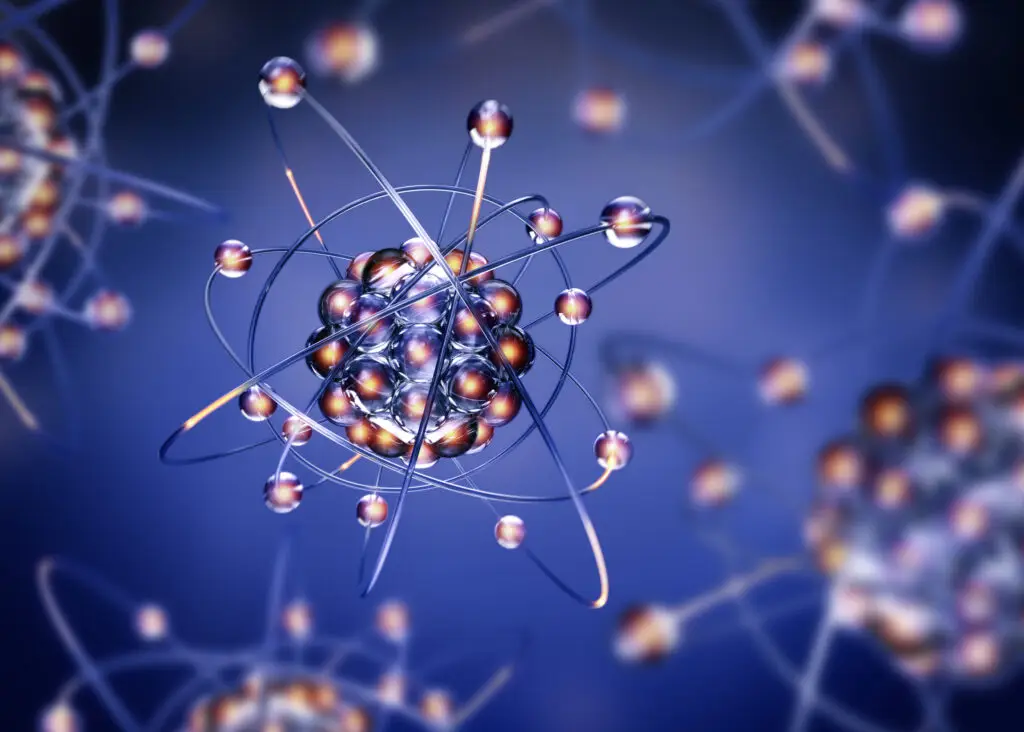
Quantum cryptography is a groundbreaking technology that has the potential to fundamentally transform security in digital communications. In a world where data is considered the new gold, it is essential that this information be protected from unauthorized access. Quantum cryptography leverages the laws of quantum mechanics to ensure virtually unbreakable security—a level of protection that far surpasses conventional encryption methods.
Fundamentals of Quantum Cryptography
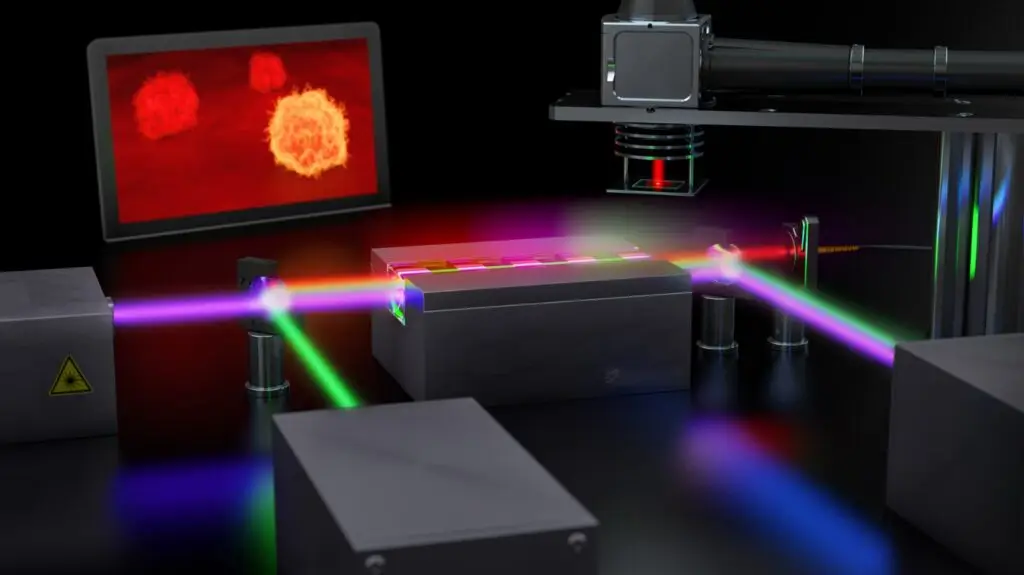
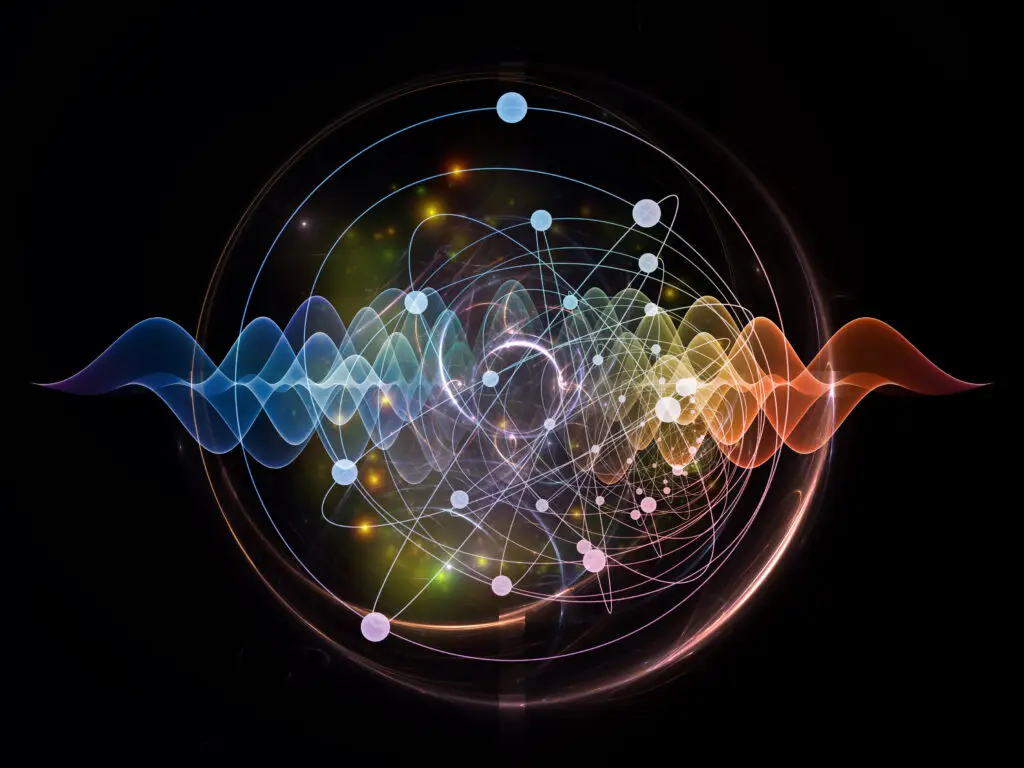
Quantum cryptography is based on two fundamental principles of quantum mechanics: Quantum superposition and Quantum entanglement. Quantum superposition describes the state of a quantum system in which the system exists in multiple states simultaneously until it is measured. For cryptography, this means that a Photon, which is transmitted in a specific state (e.g., horizontally or vertically polarized), does not assume a fixed state until it is measured. Quantum entanglement is a phenomenon in which two or more particles are linked in such a way that the state of one particle directly influences the state of the other, regardless of the distance between them. This property makes it extremely difficult to intercept or manipulate information without being detected.
At the heart of quantum cryptography is the Quantum Key Distribution (QKD). This involves generating keys for encrypting data during transmission by photons exchanged in various states. “Minutes“These are specific procedures or methods used to ensure that key distribution between communication partners is secure and efficient. The protocols define how the Quantum Communication how the process should work and how the shared information is encrypted. There are different QKD Protocols, to address various security needs, meet technological requirements, and optimize efficiency. Some protocols are easier to implement or offer specific advantages in terms of error correction or areas of application. This diversity makes it possible to select the appropriate protocol for different requirements and operating conditions.
Applications of Quantum Cryptography
Quantum cryptography has a wide range of applications and is used in fields where the highest security standards are required. Banks and other financial institutions could use quantum cryptography to protect sensitive transaction data and ensure that Finanzgeschäfte nicht manipuliert oder abgefangen werden können.
Governments and Military personnel could use quantum cryptography to make secret information and communication channels secure against eavesdropping.
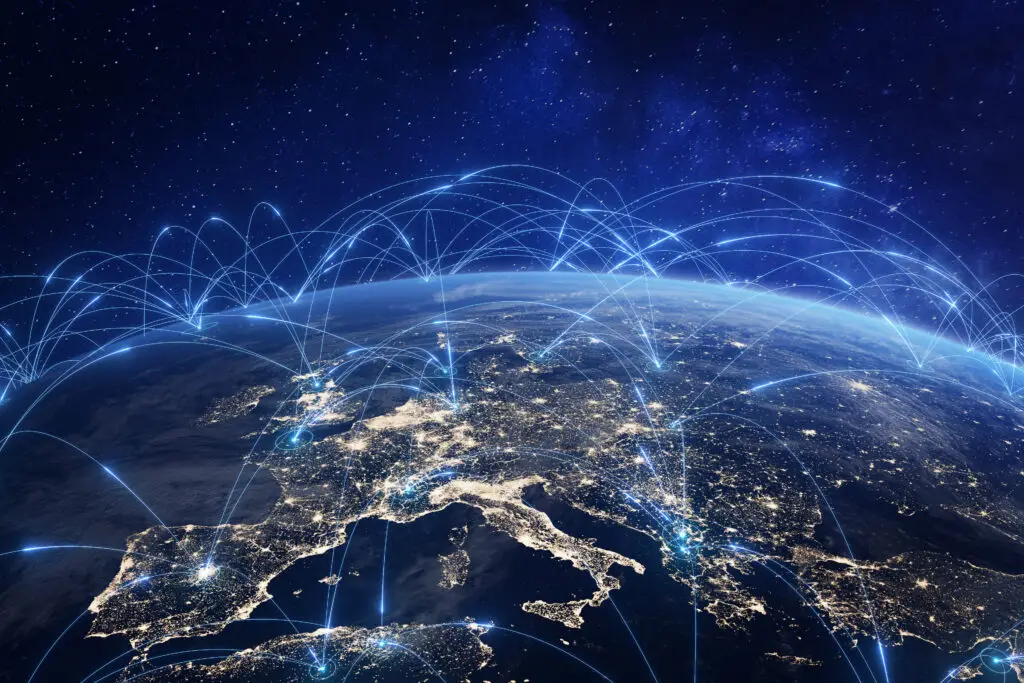
New technologies, such as the combination of quantum cryptography and Li-Fi (a technology for transmitting data via light waves), could enable fast and extremely secure data communication in the future, particularly in environments where does not use conventional wireless technologies can be.
Challenges and Future Prospects

Despite its promising advantages, quantum cryptography is not yet widely used. There are several technical and economic challenges that need to be addressed.
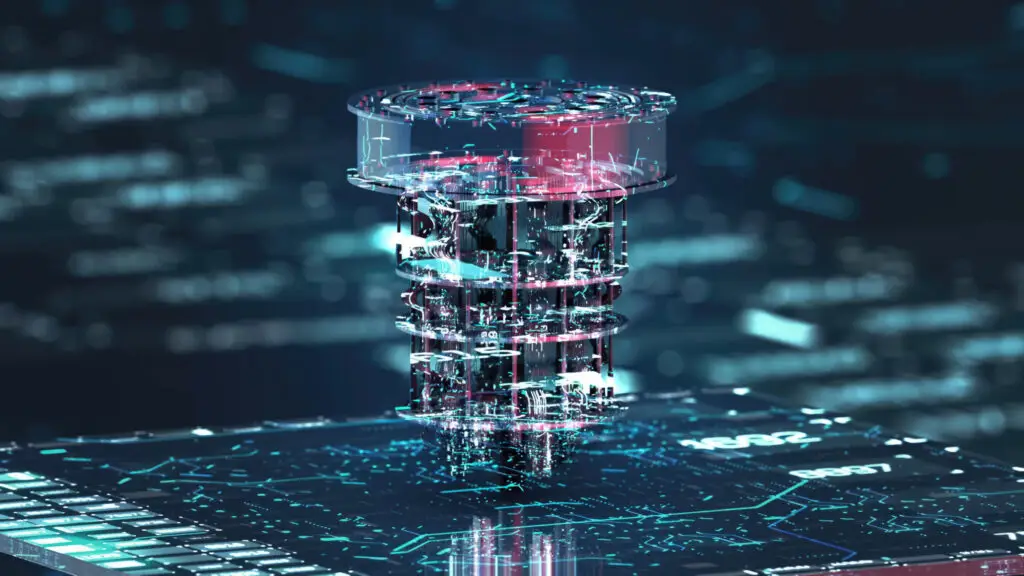
Currently, there are QKD-Systeme teuer in der Anschaffung und Implementierung. Insbesondere die benötigte Infrastruktur, wie spezielle Glasfaserkabel oder Satellitenverbindungen, kann erhebliche Investitionen erfordern. Die derzeitige Reichweite by QKD-systems is limited. Although systems capable of bridging distances of up to 100 kilometers have already been developed, solutions must be found to bridge even greater distances for global deployment. The implementation and maintenance of QKD-systems require highly specialized knowledge and technologies that are currently mastered only by a limited number of experts and companies.
Despite these challenges, research in quantum cryptography is advancing rapidly. Future advances could make the technology more affordable and accessible, enabling its wider adoption. In addition, scientists are working on the development of Post-Quantum Cryptography (PQC), die auf mathematischen Algorithmen basiert, die auch gegen Quantencomputer resistent sind. In Kombination mit Quantenkryptographie könnte dies ein umfassendes Sicherheitssystem schaffen, das die digitale Kommunikation in der Ära der Quantenrechner schützt.
Sources:
Horizonte. Quantentechnologien. (2020). acatech – Deutsche Akademie der Technikwissenschaften.
Göbel, H. (2022). Quantenmechanik. Eine Einführung in die Welt der Wellen und Wahrscheinlichkeiten. Berlin/Boston: Walter de Gruyter GmbH