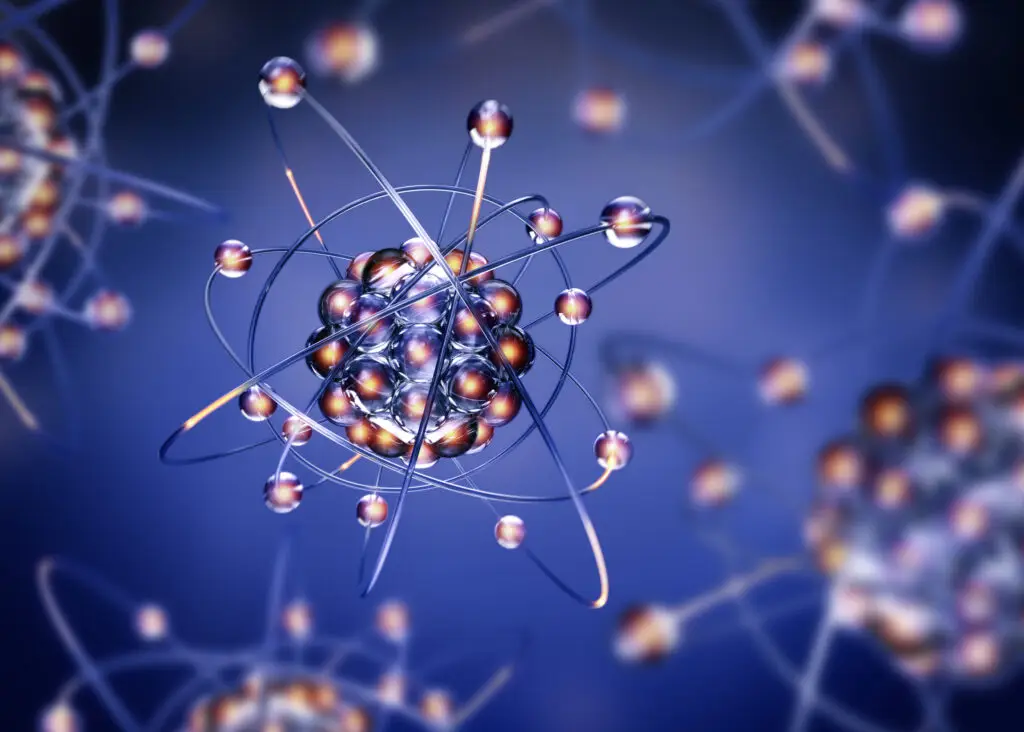
Quantum communication marks the beginning of a new era in data transmission that goes far beyond the capabilities of classical communication systems. Based on the principles of quantum mechanics, it opens up entirely new dimensions in terms of security and efficiency. This technology utilizes fundamental phenomena of quantum physics such as Superposition, Quantum entanglement and Quantum interference, to transmit data, and could soon play a key role in a wide range of applications.
What is quantum communication?
Quantum communication is a highly advanced process in which information is transmitted via quantum states. At the heart of this technology are so-called qubits. Unlike traditional Bits, which can take on a value of either 0 or 1, are qubits able to put themselves in a Superposition to be in—that is, they can assume both states at the same time. This ability of the Superposition enables the transmission of significantly more information per unit, which drastically increases the efficiency of communication systems. In addition, quantum technologies are referred to as the “second quantum revolution,” in which, for the first time, individual quantum states can be specifically manipulated and utilized. This encompasses not only quantum communication, but also Quantum Computing and Quantum Sensing.
Technological Fundamentals and How It Works
Quantum communication is based on the principles of quantum mechanics, which describe the behavior of particles in subatomic level describes. Key concepts include:
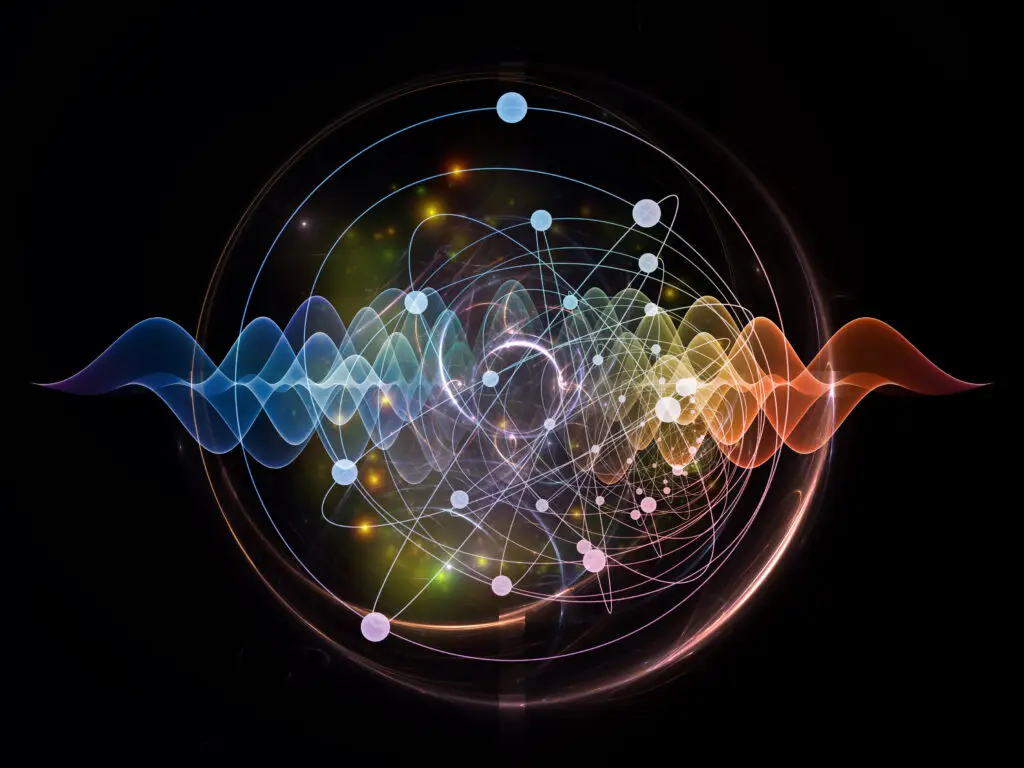
- Superposition: A qubit can assume multiple states simultaneously, making it possible to encode and transmit a large amount of information at the same time.
- Quantum entanglement: When entangling qubits the state of a qubits closely linked to that of another, regardless of the physical distance. This allows for an immediate correlation between the two qubits and serves as the foundation for extremely secure communication protocols.
- Quantum interference: This describes the superposition of quantum states, which can also be used to transmit and process information in novel ways.
The targeted application of these principles opens up a new dimension in communication security that goes far beyond what traditional systems can offer. In particular, the Quantum cryptography, as a key component of quantum communication, demonstrates this technology’s potential to enable completely secure communication. In this field, quantum physics provides the foundation for technologies that are considered essential in the long term for securing digital networks and infrastructure.
Security Through Quantum Mechanics: Insurmountable Obstacles for Attackers
A key advantage of quantum communication is its inherent Security. Traditional encryption methods are based on mathematical problems that are extremely difficult—but not impossible—to solve. Quantum communication, on the other hand, uses the laws of physics themselves to make data tamper-proof.
In the Quantum Key Distribution (QKD)) For example, interlaced qubits used to exchange cryptographic keys between communication partners. Any attempt to eavesdrop on this process would disrupt the quantum connection and thus immediately reveal it. This technique makes it virtually impossible for potential attackers to intercept or decrypt data without being detected.
Current Developments and Research Priorities
Germany plays an important role in the global arena of research and development in quantum communication technologies. Numerous institutions and research projects are dedicated to the study and practical implementation of this innovative technology. For example, the Fraunhofer Society, one of Europe's largest organizations for applied research, plays a key role in the further development of quantum communication. Among other things, the research focuses on integrating quantum technologies into existing communications infrastructures, with the goal of enabling widely applicable, secure, and reliable quantum communication. A central area of research is the optimization of QKD-systems that are intended for use in many safety-critical areas in the future.
The Federal Ministry of Education and Research (BMBF) also supports numerous projects in the field of quantum communication. One goal of this funding is to create a national quantum communication network that will serve as a testing ground for future commercial applications. These networks are particularly important in security-critical sectors such as finance, government, and the military. Germany’s efforts to promote quantum communication technologies underscore its ambition to play a leading role in the international quantum communication landscape.
Applications of Quantum Communication
The potential applications of quantum communication are diverse and range from the secure transmission of financial data to military communications. Some of the most important areas of application are:
- Financial Sector: The high level of security offered by quantum communication could play a crucial role in the financial sector in protecting sensitive transactions and information from cyberattacks.
- Government and Military Communications: In fields where information security is of the utmost importance—such as government agencies and the military—quantum communication offers unparalleled security.
- Health Care: The protection of sensitive medical data could be taken to a new level through the use of quantum communication.
- Corporate Communications: Quantum communication also offers companies that work with confidential data a way to maximize data security.
Challenges and Outlook
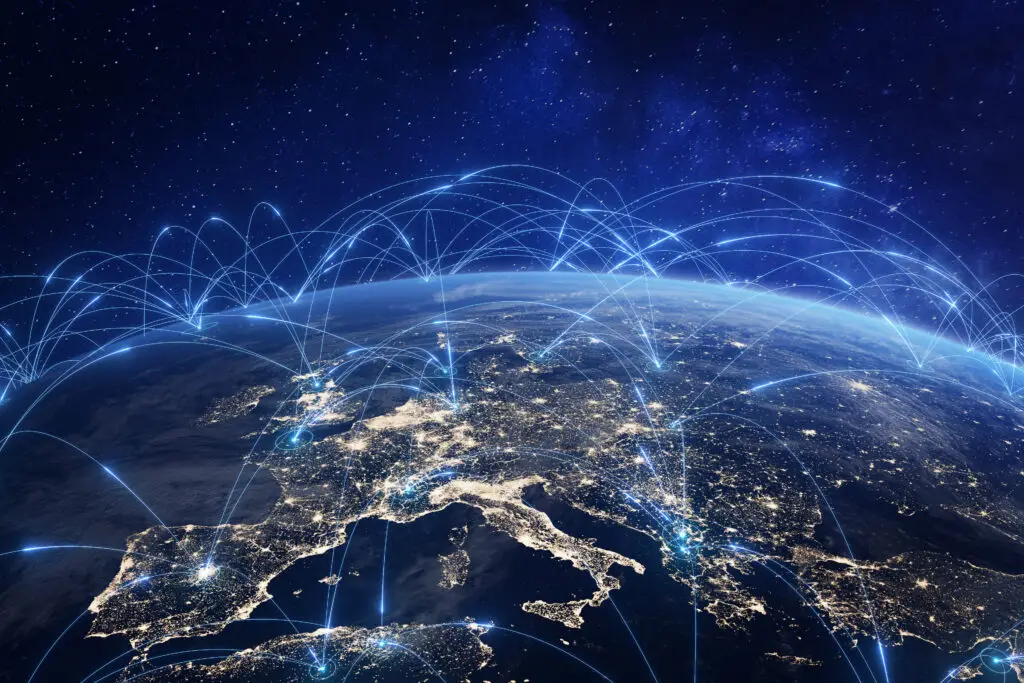
Despite its enormous advantages, quantum communication still faces a number of technological challenges. One of the biggest hurdles is the transmission of quantum information over long distances. Currently, there are Quantum Repeater, which are needed to amplify quantum information over long distances, have not yet been sufficiently developed. However, this technology is crucial for significantly expanding the range of quantum communication networks. Research is focused on improving these repeaters and integrating them into large-scale networks.
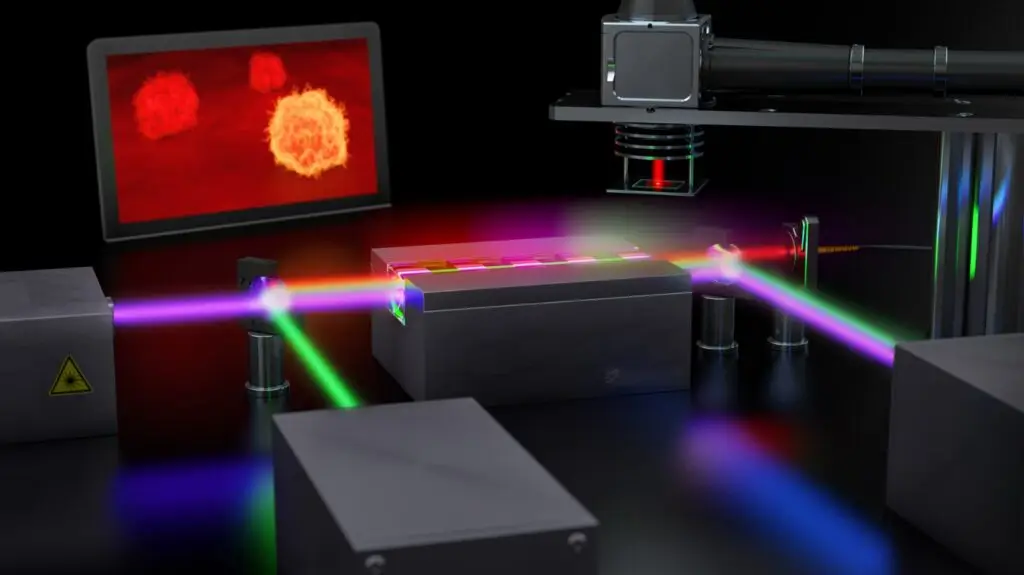
In addition, one challenge is the high Costs and Complexity the infrastructure required for quantum communication. Quantum technologies require specialized hardware, including entangled photonssources and highly sensitive detection systems. These costs, along with the lack of certifications and safety standards, are hindering the widespread commercialization of this technology. To make the technology accessible to a larger market, therefore, both cost reductions and the development of standardized procedures are necessary.
Research projects such as QuNET are working intensively to enable the integration of quantum communication systems into existing networks. This involves developing both Free-Ray Links They have also been working on fiber-optic networks to ensure stable and secure data transmission. These efforts are intended to help integrate quantum communication into real-world infrastructure and make the technology usable for security-critical applications, such as government and corporate communications.
Another long-term goal is to further develop quantum communication so that it can address the growing threats posed by Quantum computer is secure. Quantum computers could break conventional encryption methods in the future. That is why the implementation of Quantum Key Distribution (QKD) Systems is of crucial importance for ensuring data security based on the principles of quantum mechanics. The establishment of a global network for quantum-secure communication is considered strategically important in this context.
Sources
https://www.quantentechnologien.de/qt-in-deutschland/quantenkommunikation.html
Horizonte. Quantentechnologien (2020). acatech – Deutsche Akademie der Technikwissenschaften.
Straumann, N. (2013). Quantenmechanik. Ein Grundkurs über nichtrelativistische Quantentheorie. Berlin, Heidelberg: Springer Verlag.