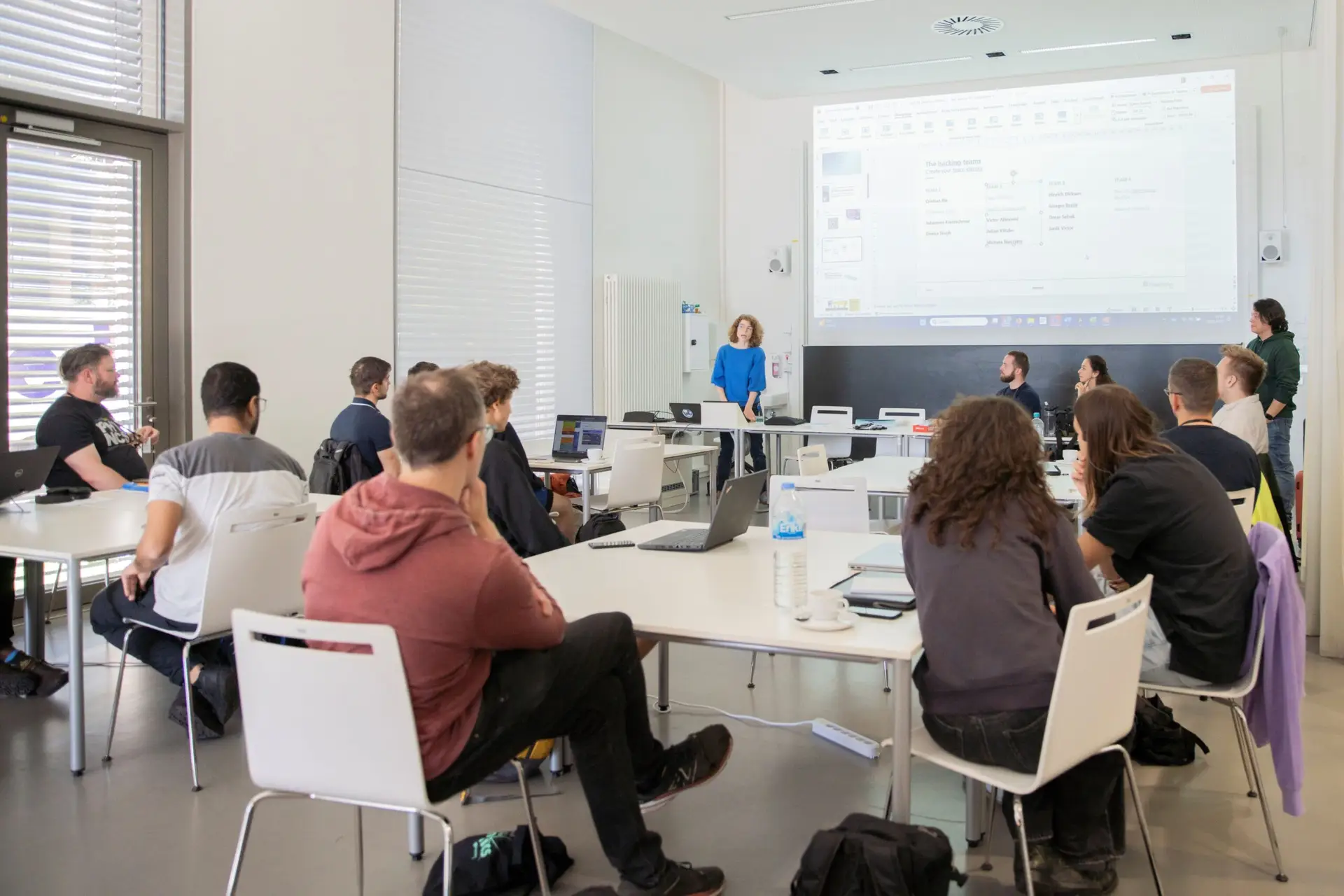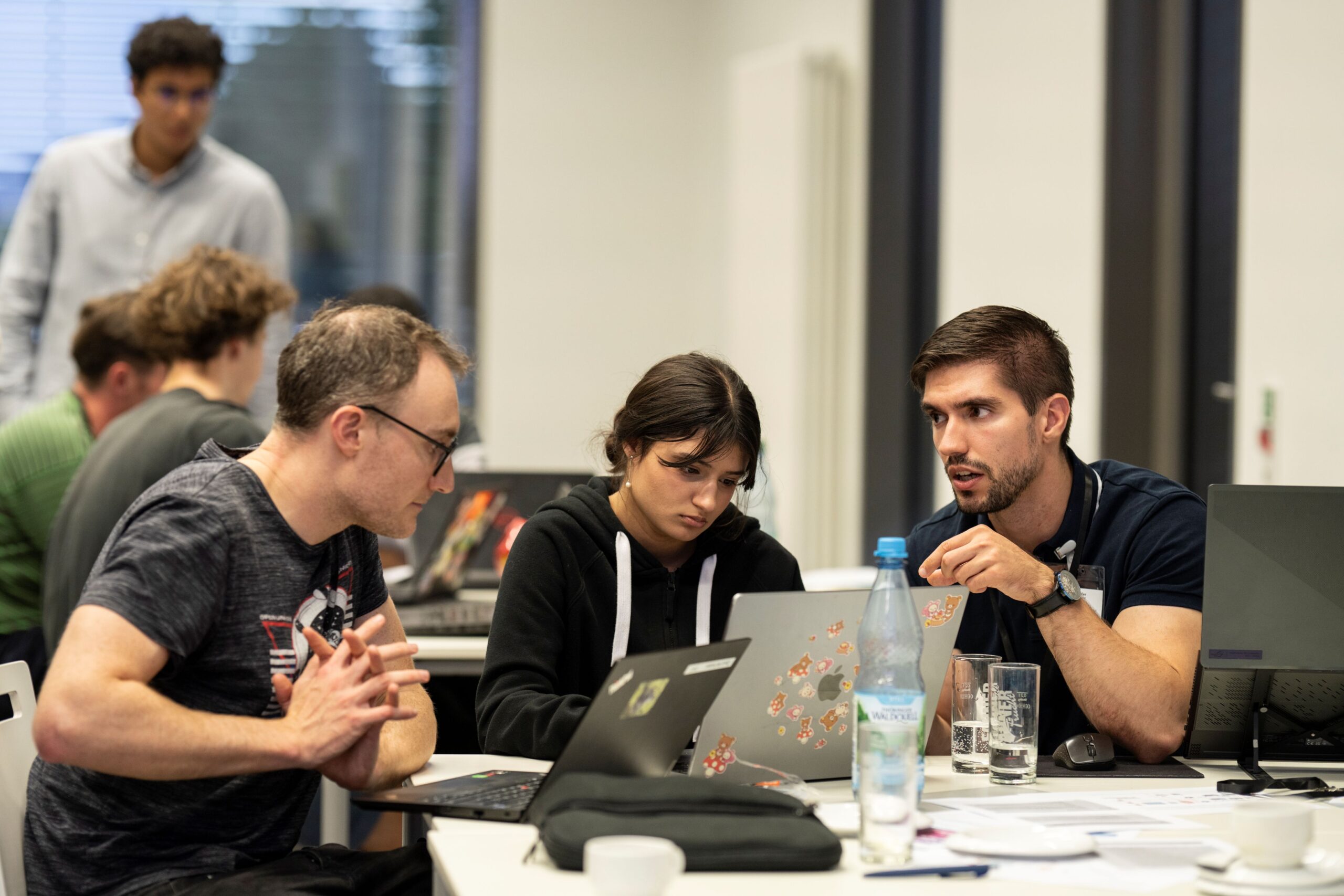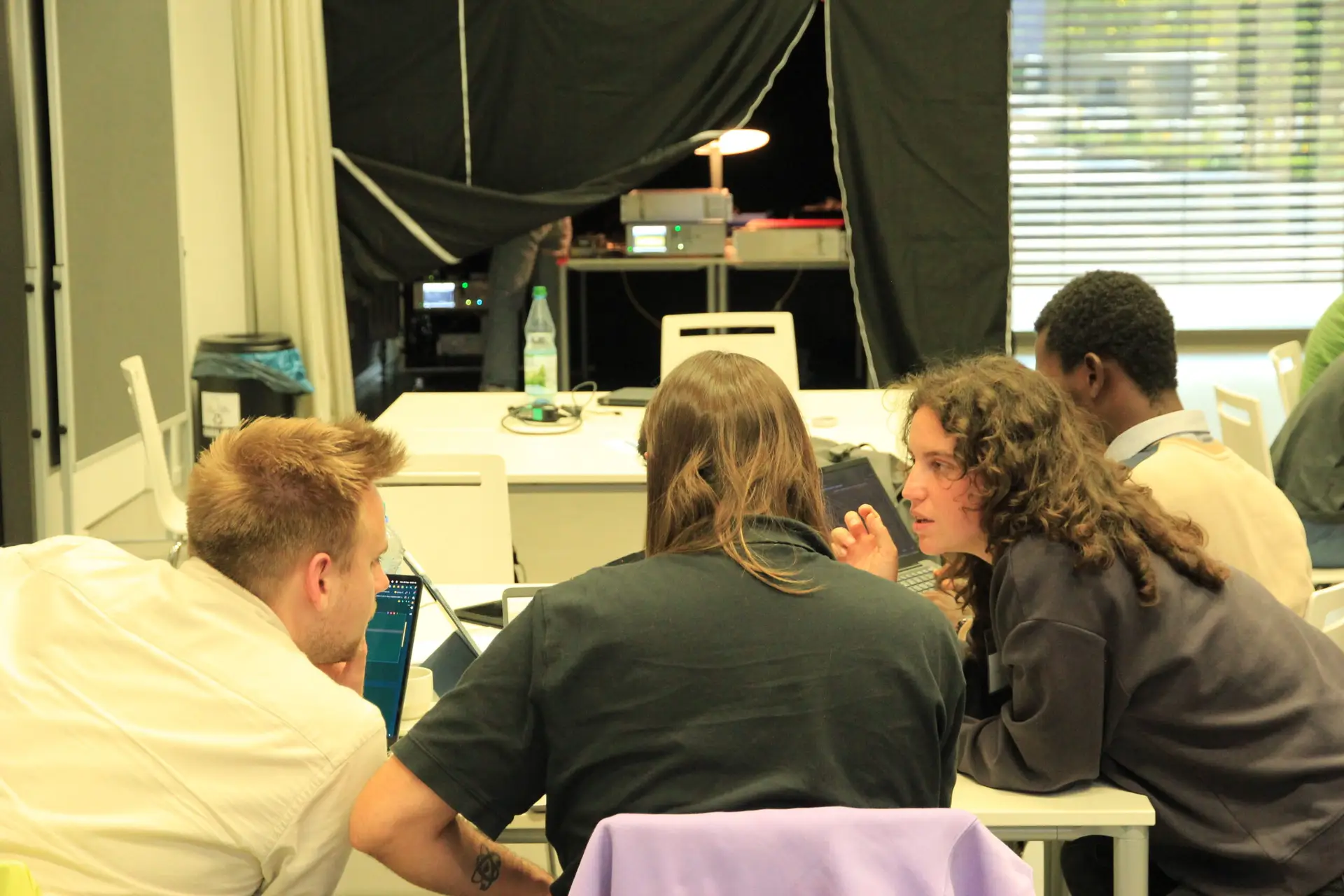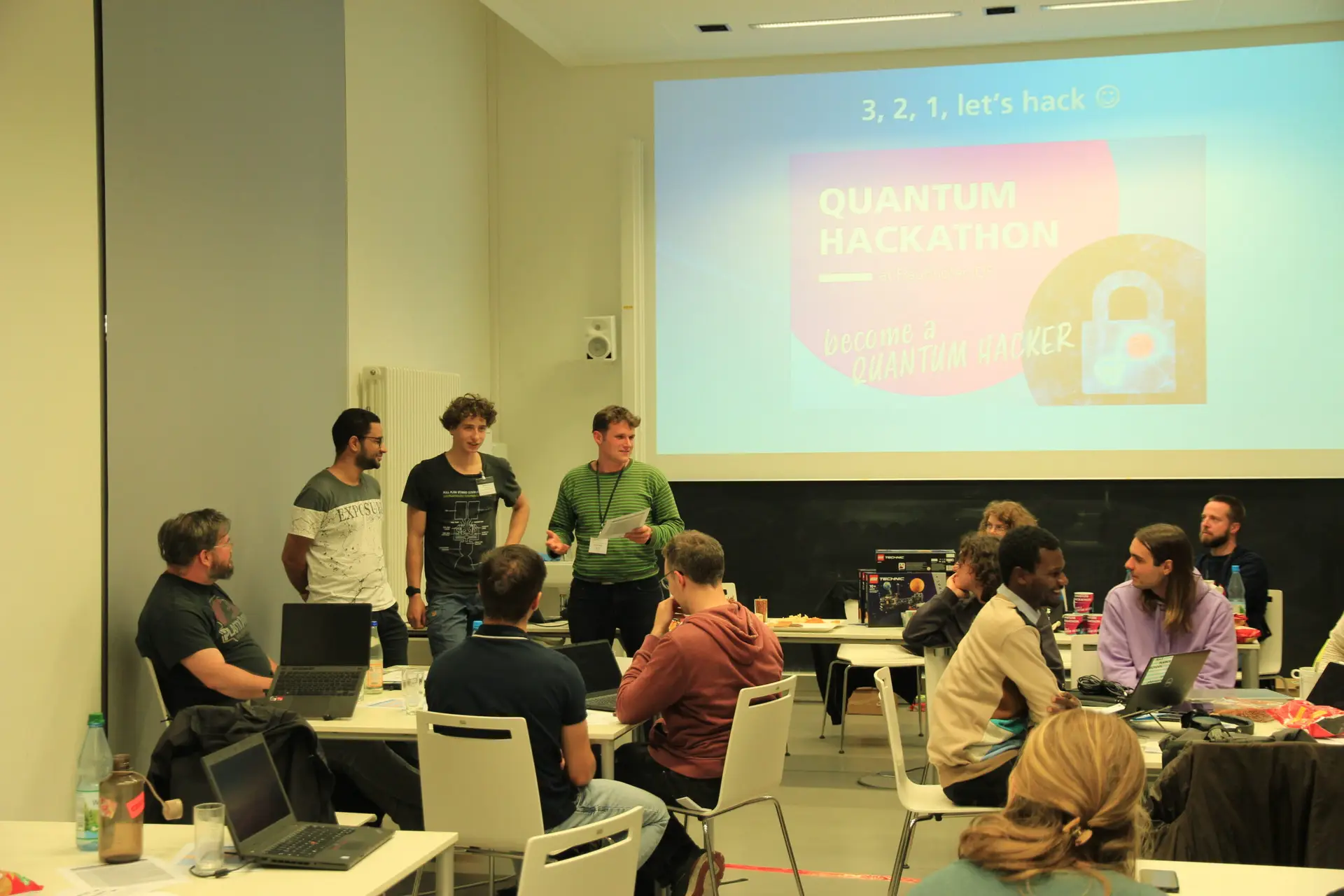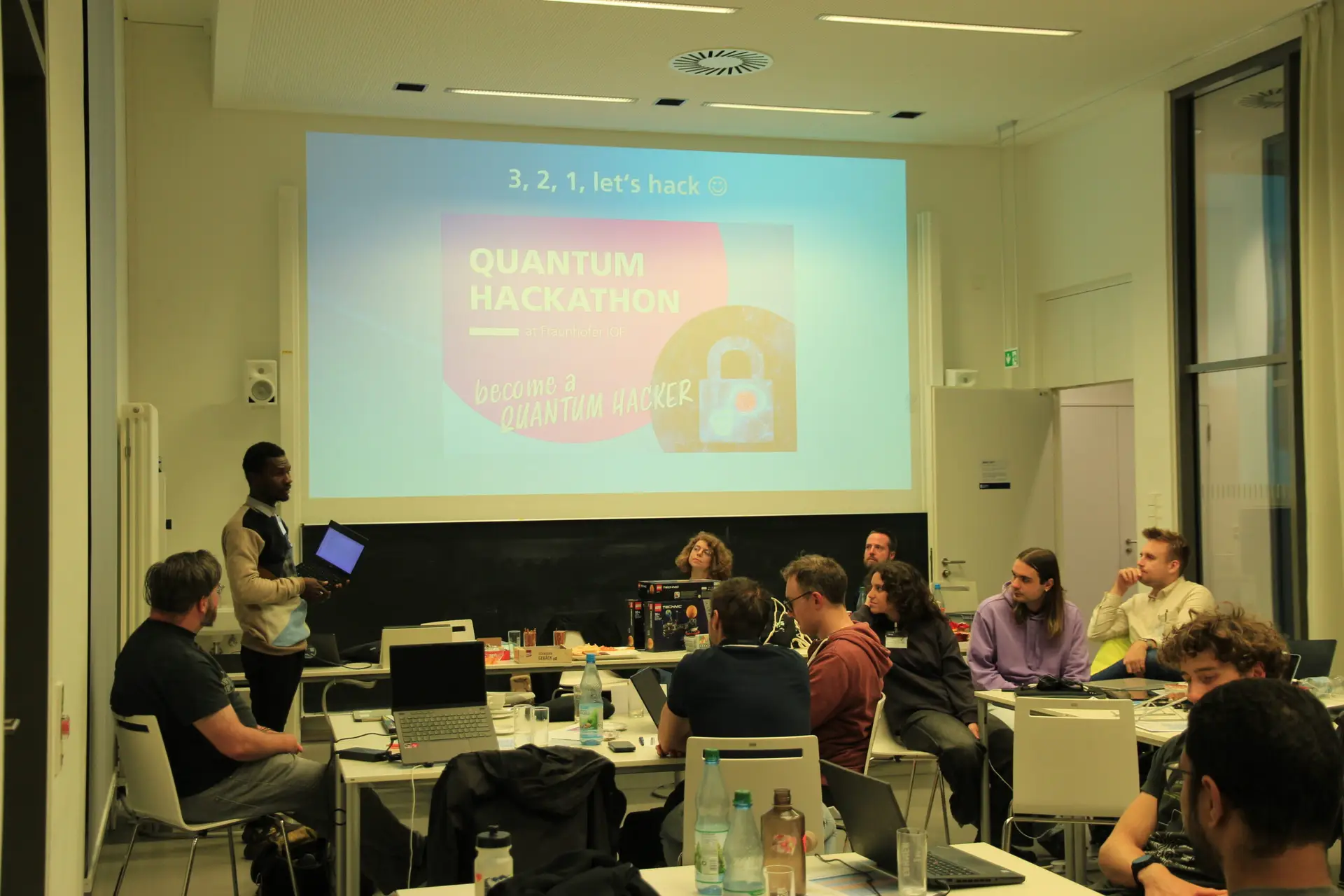
How exactly do you hack a highly secure quantum connection? At the first Quantum Hackathon organized by the O-PEN project, participants from around the world had the chance to try their hand at just that, while taking a close look at a real quantum communication system. The event took place as part of Photonics Days 2025 at the Abbe Center of Photonics in Jena and offered a unique glimpse into the world of quantum technologies.
What is quantum hacking?
The security of quantum communication is based on the laws of quantum mechanics.
It offers a major advantage over traditional encryption methods, which can be compromised by powerful computers. In practice, however, QKD systems consist of physical components—namely, optical and electronic parts—and, like any hardware, these can have potential vulnerabilities. This creates a discrepancy between what the theory promises and how a system actually behaves.
Quantum Hacking
Quantum hacking does not mean circumventing the laws of quantum physics—that is impossible. Instead, attackers exploit the properties or limitations of the hardware or protocols used. Such attacks highlight how important it is to carefully design and thoroughly test QKD systems to ensure that the keys generated remain truly secure.

What happened at the Hackathon@IOF?
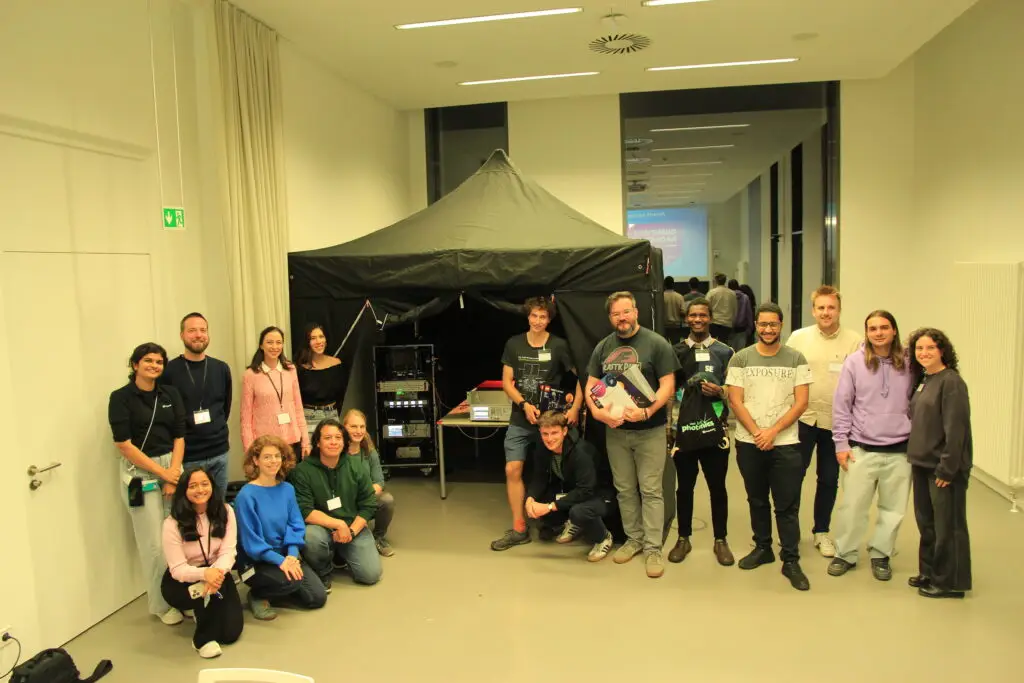
What happened at the Hackathon@IOF? The hackathon gave participants the opportunity to try out and learn about these security aspects for themselves—regardless of whether they already had prior knowledge or were encountering quantum technologies for the first time. The mix of STEM students, early-career researchers, and interested participants with varying levels of prior knowledge created a diverse learning environment where both foundational concepts were taught and more complex issues were tackled collaboratively.
One of the main goals was to understand how the BB84 Quantum Communication Protocol how it works, what attack vectors arise in real-world implementations, and how attempts at manipulation can be reliably detected.
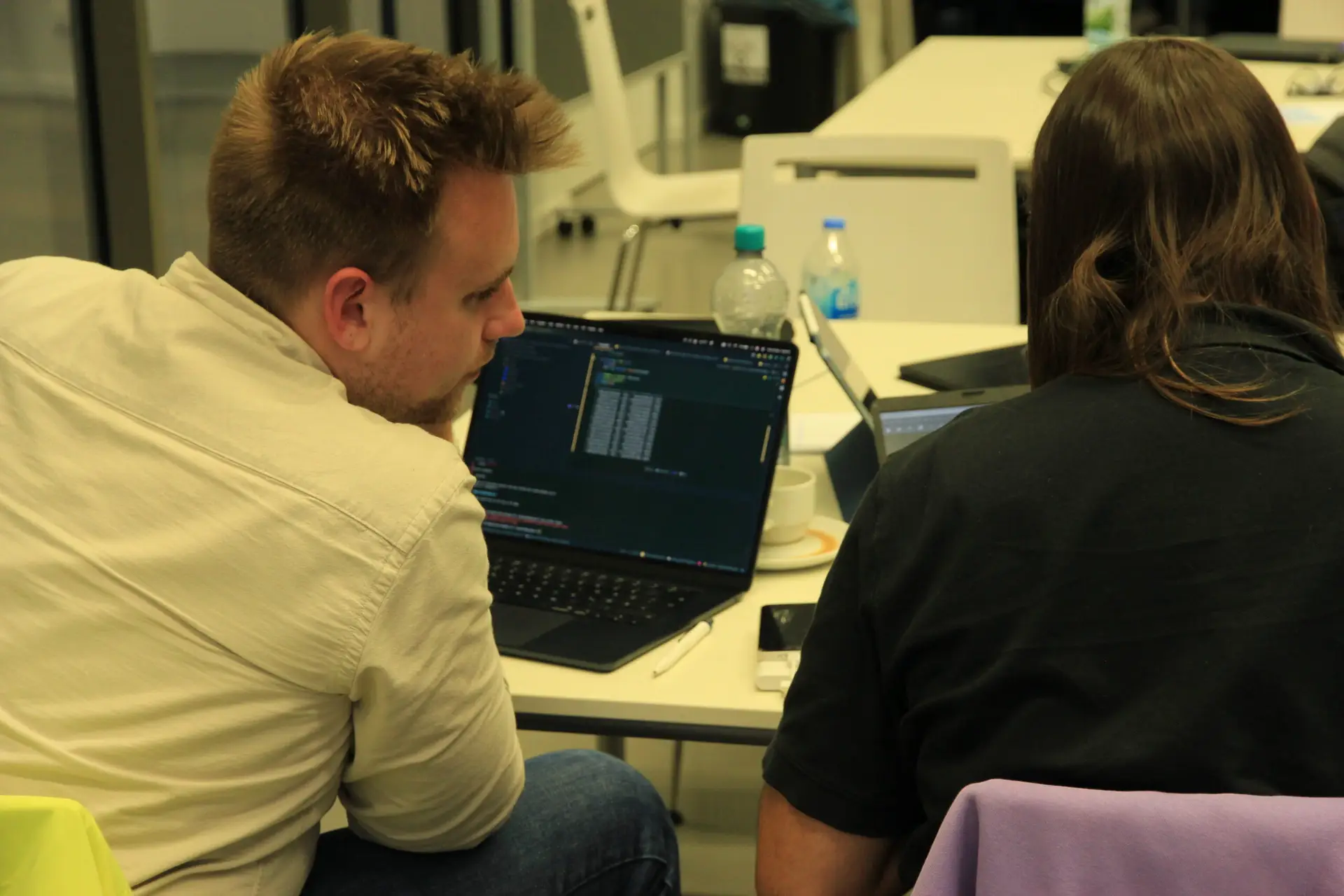
International teams from Germany, the United States, Romania, the Netherlands, and Italy took on the challenge of stepping into the role of the eavesdropper “Eve” and “hacking” a real quantum system.
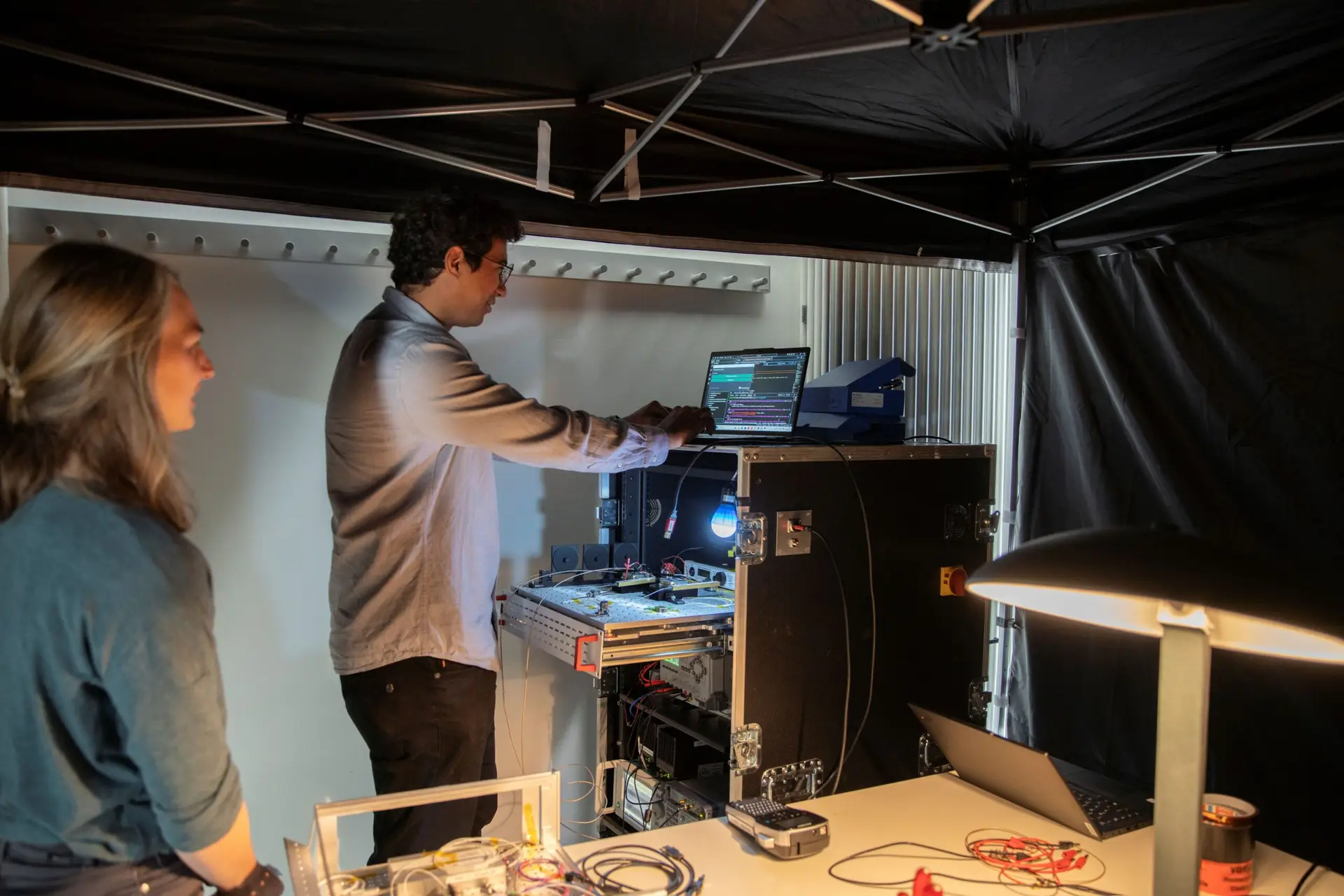
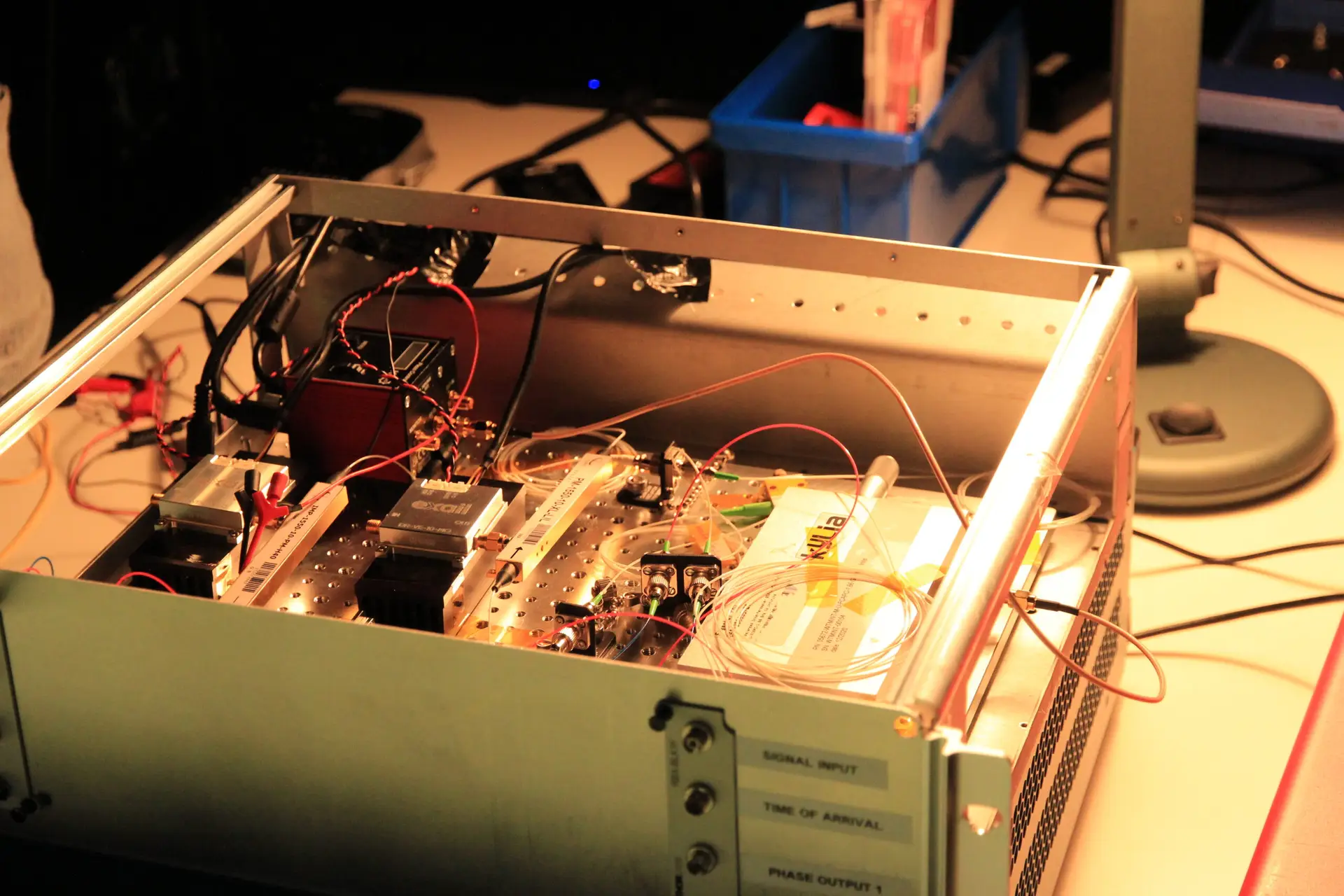
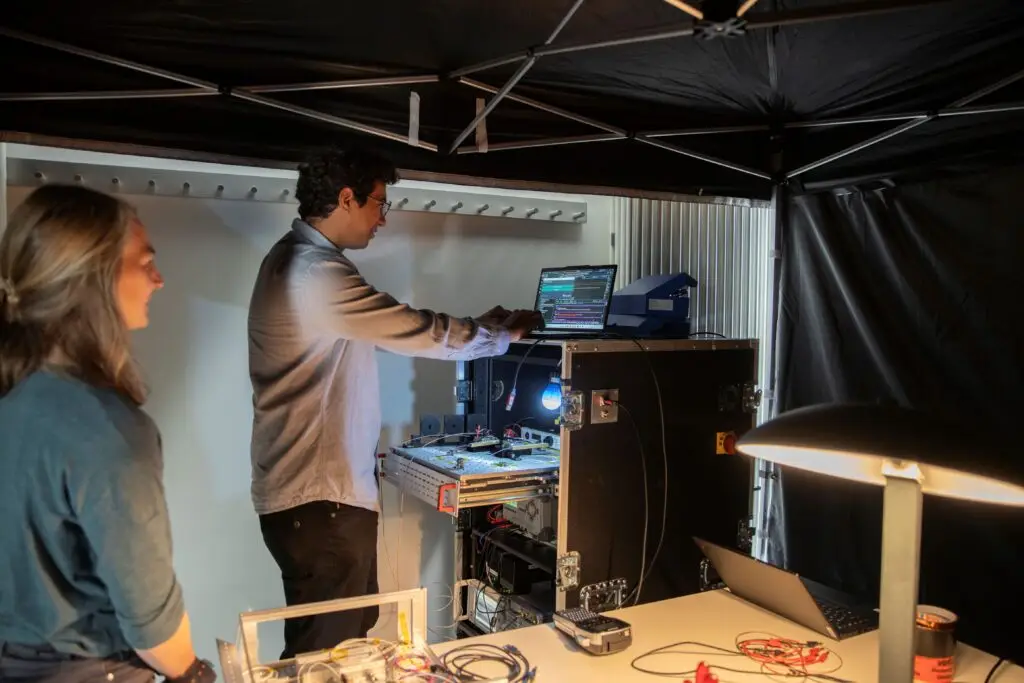
After an initial phase in which software-based strategies and attack concepts were developed, the teams put their ideas into practice in the lab. To do so, they had access to an arbitrary waveform generator (AWG), a phase modulator, an intensity modulator, and other optical components. Using this equipment, they were able to manipulate the quantum signal between Alice (the sender) and Bob (the receiver) and then observe how their interventions affected the error rate (Quantum Bit Error Rate, QBER)—an impressive example of how every attack leaves traces.
The three teams – EVEL, Qrackers and JENeavesdroppers – developed a wide variety of creative approaches in the process. The direct comparison between theoretical expectations and the system’s actual behavior led to numerous “aha” moments and highlighted why quantum communication is considered a future-proof technology.
The hackathon used a testbed consisting of three functional units
Alice (Source)
Generates weak coherent light pulses and encodes random bits using time bins (early/late) and relative phase. The pulses are transmitted to Bob via an optical fiber.
Bob (Detector)
It measures the incoming pulses using randomly selected bases via single-photon detectors and communicates with Alice via a classical channel to determine the bits suitable for key generation.
Eve (Hacker)
Participants were able to manipulate the quantum signal using the laboratory equipment provided, including an arbitrary waveform generator (AWG), a phase modulator, an intensity modulator, and other optical components.
This setup made it possible to perform targeted manipulations on the quantum signal and observe their effects on the quantum bit error rate (QBER).
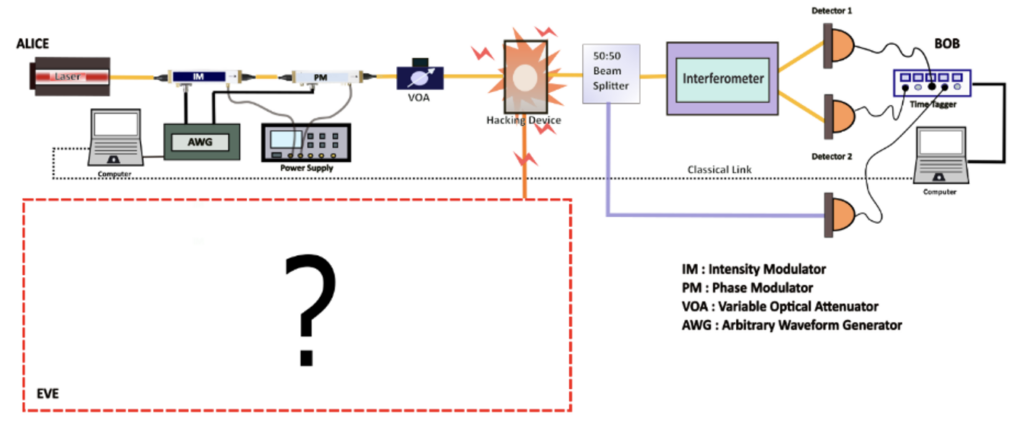
Fig. 1. Experimental setup for the Quantum Hackathon.
The hackathon produced many memorable moments
The teams developed creative approaches to test the system's limits.
The direct comparison between theory and the system's actual behavior led to numerous “aha” moments.
Participants learned firsthand why quantum communication is considered a future-proof technology: every attack leaves measurable traces.
Comments from participants
„
Despite having no prior knowledge, the introduction and lectures helped me gain a solid understanding of QKD—and I really hope you continue to offer such practical, personally guided hands-on hackathons in the future.
„
„
The hackathon challenge was based on a realistic QKD scenario—a photon-number-splitting attack—and demonstrated how imperfections in light sources can be exploited. By working on a photonic setup with lasers and detectors, participants were able to experience firsthand the interplay between theory and experiment.
„
„
Feedback from ParticipantsThe Quantum Hackathon at Fraunhofer IOF was a warm and inspiring introduction to my future field of research—at the intersection of quantum technologies and cybersecurity. It was superbly organized, enriching, and a lot of fun. I really hope to reconnect with this community soon. Maybe even at the next event!
„
Outlook: What's next?